
 11
11 Creating a comfortable and inviting atmosphere in your home often starts with choosing the right lighting. Good lighting not only brightens your space but also influences your mood, productivity, and overall well-being. However, the options can be overwhelming, and picking the perfect lighting for comfort and function requires some thought.
In this post, we’ll explore helpful tips for choosing comfortable home lighting. Whether you’re updating a single room or redesigning your whole house, these ideas will guide you to lighting that feels just right.
Comfortable lighting balances brightness and warmth to avoid harshness or dimness. It reduces eye strain, sets the mood, and highlights your home’s best features. Lighting comfort depends on several factors:
– Brightness: Enough light to see clearly without glare
– Color temperature: Warm tones create coziness; cooler tones boost alertness
– Placement: Positioning lights to minimize shadows and maximize coverage
– Layering: Combining ambient, task, and accent lighting for flexibility
Taking these elements into account helps you build a lighting scheme that suits your lifestyle and space.
Each room benefits from different lighting styles based on its function:
– Living rooms: Use warm ambient lighting paired with adjustable task lights for reading or hobbies.
– Kitchens: Opt for bright, cooler lights to ensure safety and clarity when cooking.
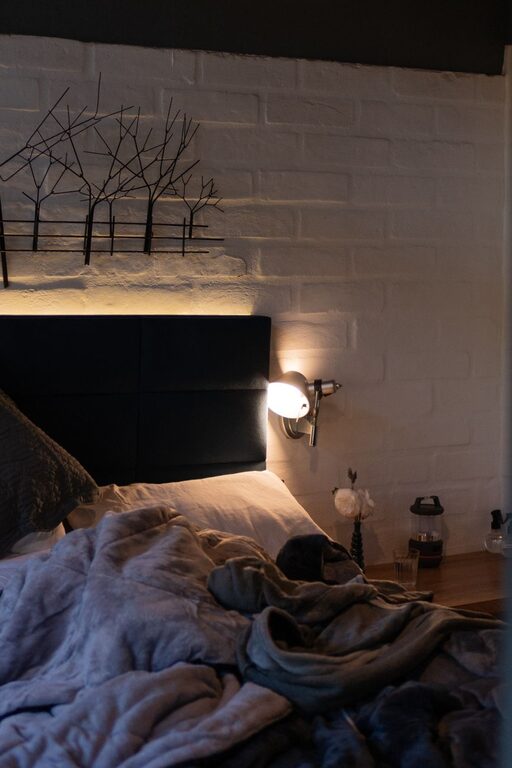
– Bedrooms: Choose soft, dimmable lights to create a relaxing environment before bedtime.
– Bathrooms: Even, bright lighting around mirrors helps with grooming, but avoid harsh overhead glare.
– Home offices: Combine natural light with cool task lighting to enhance focus.
Knowing how you use each space guides your lighting choices.
The bulb you choose impacts light quality and comfort:
– LED bulbs: Energy-efficient, long-lasting, and available in warm and cool tones.
– Incandescent bulbs: Emit warm, natural light but use more energy and have shorter lifespans.
– CFL bulbs: Use less energy than incandescent but can have a cooler, less cozy tone.
– Smart bulbs: Offer color temperature and brightness control for customized comfort.
Look for bulbs with a Color Rendering Index (CRI) of 80 or above to ensure colors appear natural.
Measured in Kelvins (K), color temperature affects the feel of a room:
– Warm light (2700K–3000K): Soft, yellowish light ideal for living rooms and bedrooms.
– Neutral light (3500K–4100K): Balanced light suitable for kitchens and workspaces.
– Cool light (5000K–6500K): Bright, bluish-white light that aids concentration in offices.
Choosing the right temperature creates an atmosphere that matches your activity and mood.
Layering light sources helps avoid a flat or overly bright room:
– Ambient lighting: General illumination such as ceiling fixtures or wall sconces.
– Task lighting: Focused light for reading, cooking, or working—like desk lamps or under-cabinet lights.
– Accent lighting: Highlights artwork, plants, or architectural features with spotlights or LED strips.
Combining these layers lets you adjust the mood and function throughout the day.
Installing dimmer switches gives you control over light intensity. Dimmers allow you to:
– Create a cozy atmosphere by lowering brightness in the evening.
– Boost light levels for cleaning or detailed tasks.
– Save energy by avoiding full power when it’s not necessary.
They’re a simple feature that makes a big difference in comfort.
Natural daylight has a positive impact on comfort and health:
– Maximize window exposure with sheer curtains or blinds.
– Place mirrors to reflect natural light deeper into rooms.
– Use light-colored walls and furnishings to brighten spaces.
Balancing natural and artificial light reduces eye strain and improves ambiance.
The design of your lighting fixtures affects both function and décor:
– Choose fixtures that complement your room’s style for a cohesive look.
– Consider the size and scale to ensure the fixture fits the space without overwhelming it.
– Adjustable fixtures (like swing-arm lamps) provide flexible lighting options.
A well-chosen fixture enhances comfort and visual appeal.
– Relying on a single ceiling light: This often results in harsh, uneven lighting that can cause discomfort.
– Choosing bulbs that are too bright or too dim: Brightness that doesn’t match the room’s needs leads to eye strain or insufficient visibility.
– Ignoring warm vs. cool light: Using overly cool light in relaxing spaces can feel cold and uninviting.
– Forgetting dimmer compatibility: Not all bulbs work well with dimmers, so check specifications before buying.
Avoid these pitfalls to ensure your lighting is truly comfortable.
Choosing comfortable home lighting involves more than picking pretty fixtures. It’s about creating an environment where you can see clearly, feel relaxed, and enjoy your home to the fullest. By understanding lighting basics, considering the function of each space, and layering your light sources thoughtfully, you can achieve a balanced and welcoming atmosphere.
Take time to experiment with different bulbs, dimmers, and fixture styles. Your ideal home lighting is a blend of art and science, designed to support your daily activities and personal comfort.
With these tips in hand, you’re ready to light up your home in a way that’s both beautiful and comfortable. Happy decorating!