
 11
11
Creating a comfortable living environment involves many factors, and lighting plays a crucial role in how a space feels and functions. Proper home lighting not only brightens your rooms but also boosts your mood, improves productivity, and complements your décor. If you’re wondering how to choose lighting that’s both comfortable and practical, this guide offers clear, helpful tips to help you make the best choices for your home.
Lighting affects more than just visibility. Harsh or poorly placed lights can cause eye strain, headaches, and even disrupt your natural sleep patterns. Comfortable lighting creates a welcoming, relaxing atmosphere and supports the activities you do in each room, whether it’s reading, cooking, or entertaining.
—
Before choosing bulbs and fixtures, it’s important to understand the three main types of lighting and how they work together:
This is the general illumination that lights up a room. Examples include ceiling-mounted fixtures, chandeliers, and recessed lights. The goal is to create an even base level of brightness.
Task lighting focuses on specific activities, like reading lamps by your armchair, under-cabinet lights in the kitchen, or desk lamps. This type of lighting is brighter and more concentrated.
Accent lighting highlights architectural features, artwork, or decorative pieces. It adds depth and visual interest through spotlights or wall-mounted fixtures.
Combining these three layers will help you achieve well-rounded, comfortable lighting.
—
Color temperature, measured in Kelvins (K), affects how warm or cool the light appears. For comfortable home lighting:
– Warm white (2700K-3000K): Best for living rooms and bedrooms, as it creates a cozy, inviting atmosphere.
– Neutral white (3500K-4100K): Good for kitchens and bathrooms where clarity is important.
– Cool white (5000K+): Usually reserved for task lighting or workspaces but can feel harsh for general home use.
—
Using dimmers or smart lighting systems lets you change brightness levels based on time of day or activity, helping reduce eye strain and creating the right mood. Many modern LED bulbs are compatible with dimmer switches.
—
Placement affects how comfortable the lighting feels. Avoid placing bright lights directly in your line of sight. Instead, angle lights toward walls or ceilings to create softer, reflected illumination:
– Use floor or table lamps for indirect lighting.
– Position task lighting close to the work area.
– Use uplights to wash ceilings with light for a spacious feel.
—
Color rendering index (CRI) measures how true colors appear under light. Aim for bulbs with a CRI of 80 or higher, especially in spaces where color accuracy is important, like kitchens and living rooms.
—
Make the most of natural daylight during the day by positioning seating areas near windows. Use light curtains to soften sunlight without blocking it completely. At night, complement natural light with soft, layered artificial lighting.
—
Great for kitchens and dining areas, pendant lights provide focused light over tables or countertops. Choose adjustable-height fixtures for versatility.
These add layers and provide cozy pools of light perfect for reading or relaxing.
Subtle and sleek, recessed lights offer ambient illumination without cluttering ceilings, ideal for modern homes.
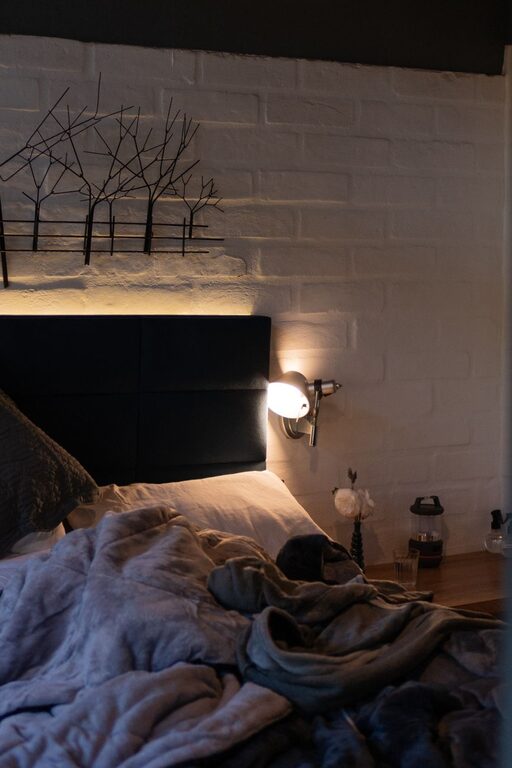
Wall sconces add accent lighting and save space, perfect for hallways and bedrooms.
—
Energy-efficient LED bulbs have become the standard choice for home lighting. They last longer and consume less power than incandescent bulbs while offering a range of color temperatures and brightness levels. Choosing LEDs means you can maintain comfortable lighting without worrying about high energy bills.
—
Comfortable home lighting is about creating layers of light that suit your lifestyle and the unique layout of your home. By considering bulb type, color temperature, fixture placement, and dimming options, you can enjoy a beautiful, welcoming space that feels just right no matter the time of day.
Start by assessing your current lighting and think about how you use each room. With a little planning and thoughtful choices, you can transform your home into a brighter, more comfortable haven.