
 11
11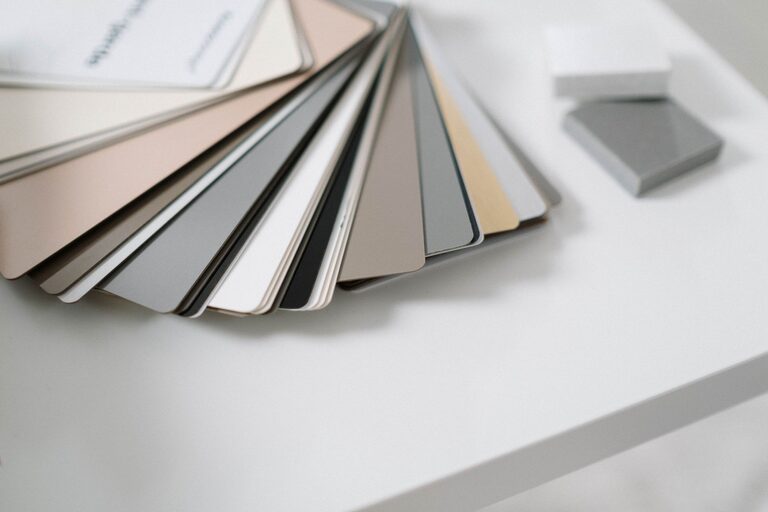
Creating a calm and peaceful atmosphere in your home starts with the colors you choose for your walls, furniture, and decor. Calm colors help reduce stress, promote relaxation, and make your space feel inviting and comfortable. Whether you are redecorating a single room or your entire home, selecting the right color palette is essential. In this post, we’ll share helpful tips for choosing calm colors that work well together and suit your personal style.
Calm colors are typically soft, muted, and gentle on the eyes. They can create a soothing environment that encourages restful moments and helps you unwind after a busy day. Using calm colors in your home can also make spaces feel more spacious and light. Examples of calm colors include soft blues, gentle greens, warm neutrals, and pale greys.
Before selecting colors, think about the mood you want to set in each room. Do you want a space that feels peaceful and restful, or one that inspires focus and creativity? For bedrooms and living rooms, calming colors that promote relaxation, like pale blue or soft beige, work well. For home offices, you might prefer calm greens or light grey shades that encourage concentration.
A color wheel is a helpful tool for identifying colors that naturally work well together. For a calm color scheme, choose colors that are analogous (next to each other on the wheel) or monochromatic (different shades of the same color). For example, combining soft blues with gentle greens creates a tranquil palette. Using too many contrasting colors can make a space feel busy and less calm.
Bright, saturated colors can be stimulating, which is not the goal for a calming environment. Instead, select muted tones, pastel shades, or colors with a hint of grey. These softer colors are less intense and easier to live with over time. For instance, dusty rose, sage green, and light lavender are calming yet add subtle personality.
Neutral colors like white, cream, taupe, and soft grey provide a great base for calm interiors. They help balance more colorful elements and keep the overall look serene. Neutrals also reflect natural light well, making rooms feel brighter and more open. You can layer textures and patterns in neutral tones to add interest without overwhelming the senses.
Colors can look very different depending on lighting conditions. Natural daylight, incandescent bulbs, and LED lighting all affect how a color appears. Always test paint swatches on your walls and observe them at various times of day before making a final choice. This helps ensure the color remains calming and flattering in your specific home environment.
In open floor plans or multi-purpose rooms, calm colors can help define different areas without creating harsh separations. For example, use a soft blue on walls in the sitting area and a gentle green near the dining space. This technique subtly distinguishes zones while maintaining an overall peaceful atmosphere.
Your chosen calm colors should complement your existing furniture and decor or guide your choices if you are starting fresh. Soft wood tones, natural fabrics like linen and cotton, and simple, understated furniture designs work beautifully with calm color palettes. Avoid overly bright or flashy accessories that may disrupt the soothing vibe.
While the main palette should remain calm, adding small accents of color can bring warmth and character without overwhelming the space. Consider throw pillows, artwork, or plants in gentle shades like pale coral, soft peach, or light aqua. These touches add interest and personality while keeping the overall environment relaxing.
– Soft Blue: Evokes the sky and ocean, promoting tranquility.
– Sage Green: A gentle, earthy shade that connects to nature.
– Warm Beige: Neutral and cozy, creating a welcoming feel.
– Light Grey: Modern and versatile, perfect for minimalist spaces.
– Lavender: Subtle and soothing, ideal for bedrooms or bathrooms.
– Blush Pink: Soft and warm, bringing a touch of comfort.
Choosing calm colors for your home is a wonderful way to create an atmosphere that supports relaxation and wellbeing. By considering the mood, using muted tones, testing colors in your space, and coordinating with your decor, you can develop a peaceful color palette that feels uniquely yours. Take your time and enjoy the process — transforming your home into a serene retreat is well worth the effort!