
 11
11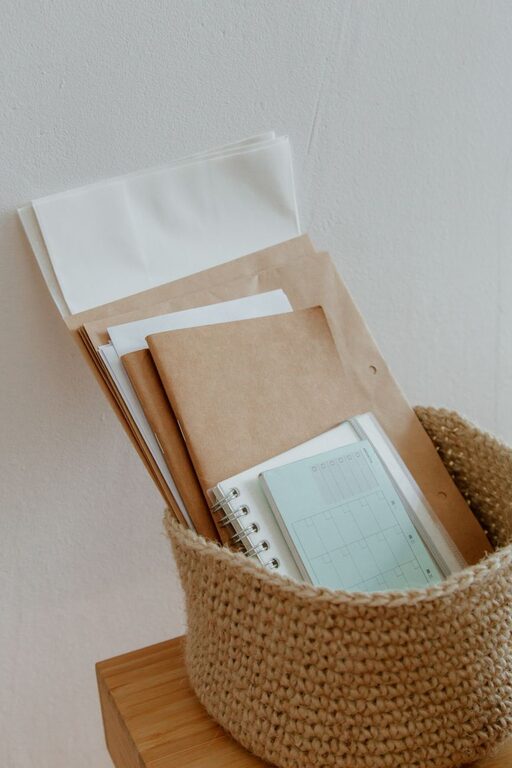
Managing household paper clutter can feel overwhelming, but with a few simple strategies, you can regain control and enjoy a cleaner, more organized home. Paper piles often accumulate from bills, mail, school papers, and receipts, leading to stress and wasted time searching for important documents. This guide offers practical steps to reduce paper clutter and maintain an orderly space.
Paper clutter can decrease your productivity, create unnecessary stress, and make your home appear messy. By tackling it, you improve your living environment, save time, and even protect important information from getting lost. Plus, reducing paper waste is better for the environment.
Begin by designating a specific area for incoming papers, such as a basket or tray near your main entrance or workspace. Having a consistent spot helps contain clutter and makes it easier to process mail and documents regularly.
– Action Required: Bills to pay, forms to complete, invitations
– To File: Important documents like warranties, tax papers
– To Read: Magazines, brochures, newsletters
– Recycle/Shred: Junk mail, outdated papers, sensitive info
Sorting papers immediately helps prevent piles from growing out of control.
One of the most effective ways to cut down on physical paper is to switch to digital alternatives.
– Opt for electronic billing: Sign up for e-statements from banks, utilities, and service providers.
– Use digital note-taking: Apps for lists, reminders, and notes can replace sticky notes and paper pads.
– Scan important documents: Store scanned copies safely on your computer or cloud storage for easy access.
– Unsubscribe from junk mail: Reduce incoming flyers and catalogs by opting out online.
Going digital reduces the amount of incoming paper and makes organizing files simpler.
A well-organized filing system is essential for storing papers you need to keep.
– Use folders or binders with clear labels.
– Categorize by topic: finances, medical records, household documents, warranties.
– Store files in a dedicated container or filing cabinet.
– Regularly review your files to discard outdated papers.
Keep your filing system simple and intuitive to encourage consistent use.
Try to take action as soon as you bring paper into your home:
– Open and sort mail right away.
– Pay bills or set reminders immediately.
– File important papers without delay.
– Recycle or shred unwanted papers promptly.
The quicker you deal with paper, the less will pile up.
Designate clear boundaries for paper storage in your home.
– Avoid using multiple places to store papers.
– Commit to one inbox and one filing area.
– Keep paper storage containers manageable in size to encourage regular purges.
Limiting storage space prevents hoarding and encourages regular organization.
Label folders, trays, or boxes clearly to keep papers organized and easy to find. Using containers like magazine holders or desktop organizers helps keep papers contained and your surfaces tidy.
Schedule time every few months to go through your papers and discard anything no longer needed.
– Shred documents containing personal information.
– Recycle outdated papers and catalogs.
– Reassess your filing system and remove duplicates.
Regular purging keeps clutter from returning.
– Use a calendar: Track due dates and important events digitally or on a physical calendar to reduce unnecessary papers.
– Create a mail habit: Establish daily or weekly mail processing routines.
– Involve family members: Encourage everyone to manage their papers and share responsibility.
Reducing household paper clutter doesn’t have to be complicated. By adopting simple habits like sorting immediately, switching to digital, creating a filing system, and regularly purging, you can maintain a clutter-free home. These strategies save time, reduce stress, and give you more space to enjoy your environment.
Start small today, and your home will thank you!