 11
11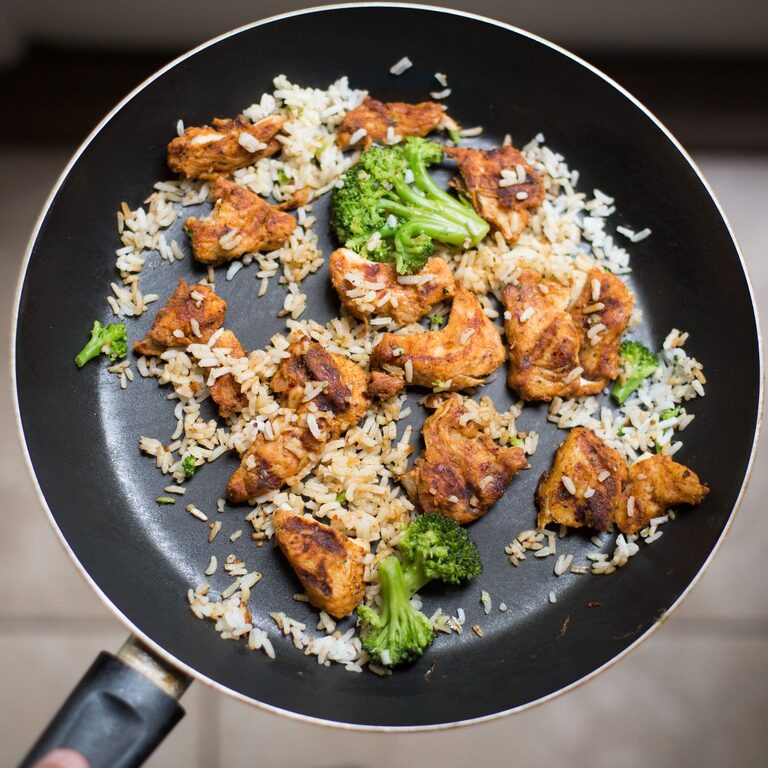
Making dinner is often the highlight of the day, but cleaning up afterward can feel overwhelming. Fortunately, there are plenty of easy strategies to make dinner cleanup faster, simpler, and even a bit more enjoyable. Whether you live alone or have a full household to feed, these practical ideas will help you spend less time scrubbing and more time relaxing after your meal.
One of the easiest ways to cut down on cleanup is to reduce the number of dishes you use. Try to cook meals that use one or two pots or pans. Sheet pan dinners, one-pot pastas, and skillet meals are excellent choices. The fewer items you dirty, the less you have to wash.
Prepare ingredients before you start cooking by washing, chopping, and measuring. Set them out in bowls or containers so everything is ready to go. This organized approach prevents messes during cooking and allows you to clean as you go.
Rather than waiting until after dinner, try washing utensils, cutting boards, and bowls as you finish using them. This prevents a pile of dirty dishes from building up and makes the final cleanup less daunting.
Keep a damp cloth or sponge handy while cooking to quickly wipe spills and splatters from counters, stovetops, and tables. Cleaning small messes immediately stops them from hardening or spreading, which saves time later.
If you have a dishwasher, load it throughout the cooking process, not just after dinner. Rinse items quickly before placing them inside. This keeps your sink clear and reduces the stack of dishes you need to handle later.
Nonstick pans, silicone baking mats, and glass or ceramic cookware usually require less scrubbing. They are designed to prevent food from sticking, making cleanup quick and painless.
Store dish soap, sponges, scrubbers, and towels in easy-to-reach spots near the sink. When cleaning supplies are within arm’s reach, you’re more likely to tidy up immediately.
Have a clear system for where dirty dishes go and where clean dishes are placed after washing. This prevents clutter and confusion, speeding up the cleaning routine.
If possible, serve food directly from the pot or pan it was cooked in. For example, placing a skillet on the table for a family meal reduces the number of serving dishes to wash.
Using placemats and napkins helps catch crumbs and spills on the table, protecting your surfaces. Cloth napkins can be reused multiple times, while disposable ones are convenient for quick cleanup.
Involve family members or roommates in cleanup. Assign specific tasks such as rinsing, drying, or putting away dishes. Working together makes the process faster and less tiresome.
Play your favorite music or set a timer and challenge yourself to complete cleaning within a certain timeframe. Turning cleanup into a game can make it more enjoyable.
– Soak pots and pans immediately after use to loosen food.
– Use garbage disposals or compost bins for easy waste handling.
– Keep the sink empty when cooking to maximize space for washing.
– Regularly deep-clean your sponge and dishcloth to keep them fresh.
By incorporating these ideas into your routine, dinner cleanup will become a quicker and less stressful task. With a bit of planning and some smart habits, you’ll be able to enjoy your meals and evenings more fully. Happy cooking and cleaning!